In one of the most expensive housing markets in Tennessee, a small nonprofit is keeping a historic African American neighborhood within reach of the families who built it.
Walk a few blocks from the boutiques and brick storefronts of downtown Franklin and you’ll find a neighborhood whose very name tells a story. Hard Bargain. It sounds like a warning, or a dare. In truth, it’s both a piece of history and a description of what it has always taken to hold on here.
A deal, a name, a beginning
The name traces back to the years just after the Civil War. In 1873, W.S. McLemore subdivided 15 acres he called “Hard Bargain,” named for a difficult land deal struck in 1866. One of the people who would shape what that land became was a man McLemore had once enslaved.
In 1880, Harvey McLemore bought four lots from Judge McLemore for $400, the largest holding of any African American in the Hard Bargain subdivision. He built a home there, and it became a cornerstone. Around it grew a stable, working-class African American community of skilled carpenters, rock masons, blacksmiths, mill workers, washerwomen, and domestic workers. The house remained in the hands of Harvey McLemore and his descendants for 117 years.
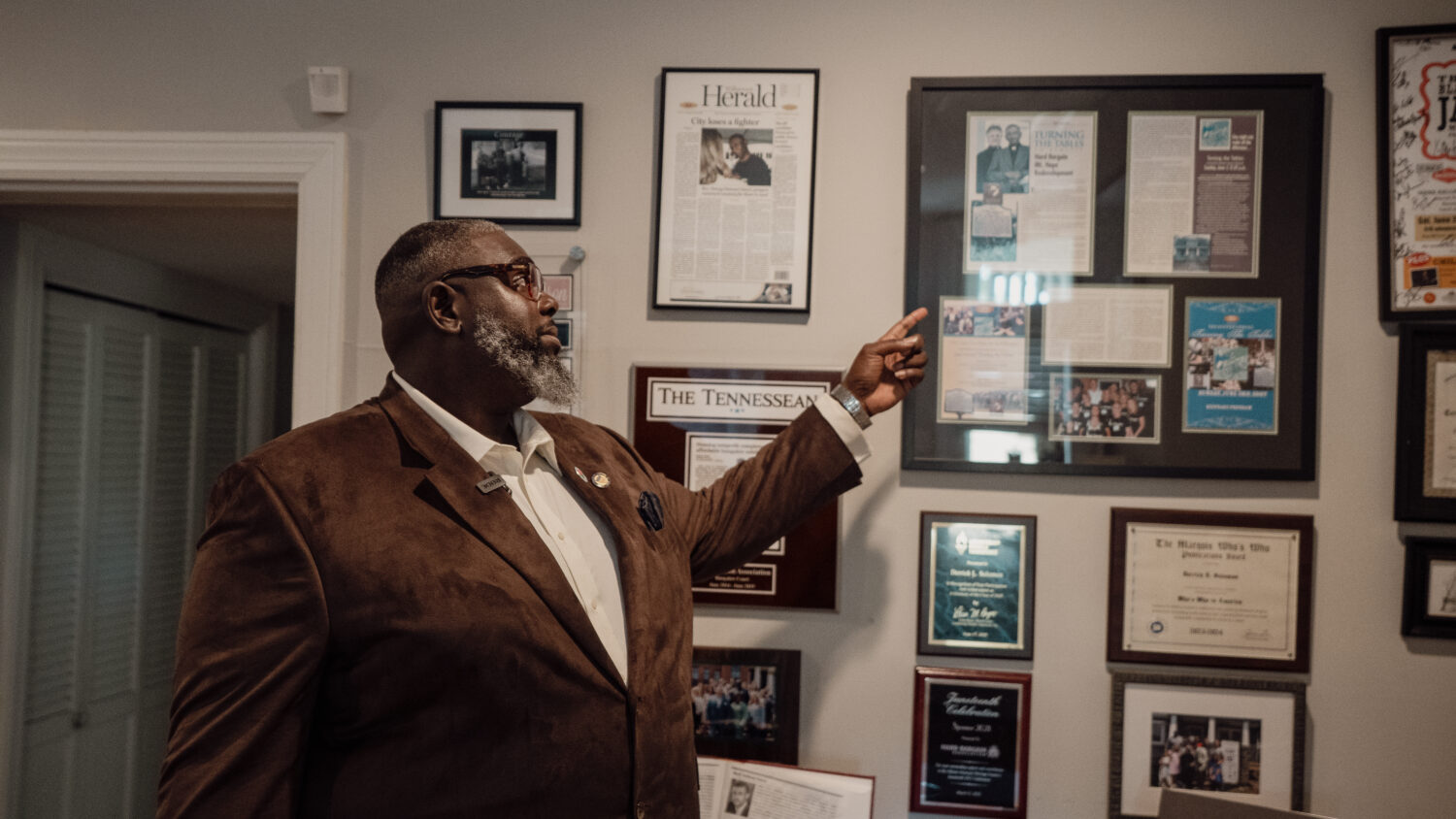
Today that house is a museum, and its meaning hasn’t faded. Derrick Solomon, who now leads the Hard Bargain Association, credits McLemore’s sacrifice with making his own homeownership possible, and puts it simply: “The McLemore house is the past, present and the future of Hard Bargain.”
When history needed a guardian
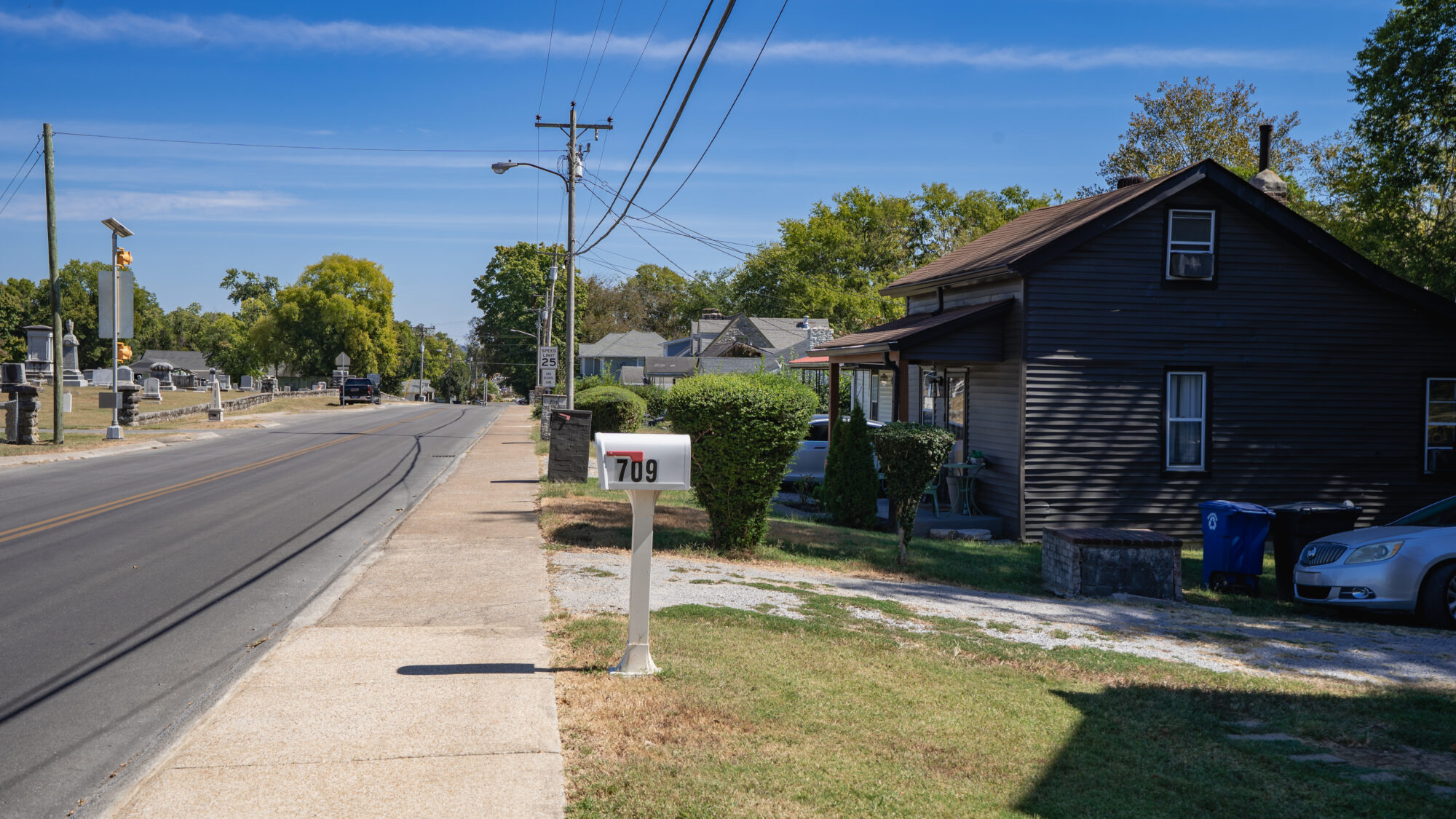
For generations, Hard Bargain held together on the strength of its families. But as Franklin boomed, longtime residents faced aging homes, fixed incomes, and rising pressure to sell. The neighborhood’s future was no longer a given.
The seeds of a response were planted by neighbors. Pastor Scott and Linda Roley moved into Hard Bargain in November 1997. Within a decade, the work had grown into something formal. In 2006, residents, neighbors, and supporters created the Hard Bargain Association to preserve the historic neighborhood by rehabbing existing homes, building affordable new ones, and converting a cemetery caretaker’s old house into a community center known as “Ty’s House.”
Brant Bousquet became the association’s first executive director in 2007, partnering with Crane Builders to create the 13 homes that now stand on Bungalow Court.
More than houses
The association’s mission has three parts, and each one matters. It works to preserve the historic community by renovating existing homes, building quality affordable housing, and enriching the lives of neighbors.
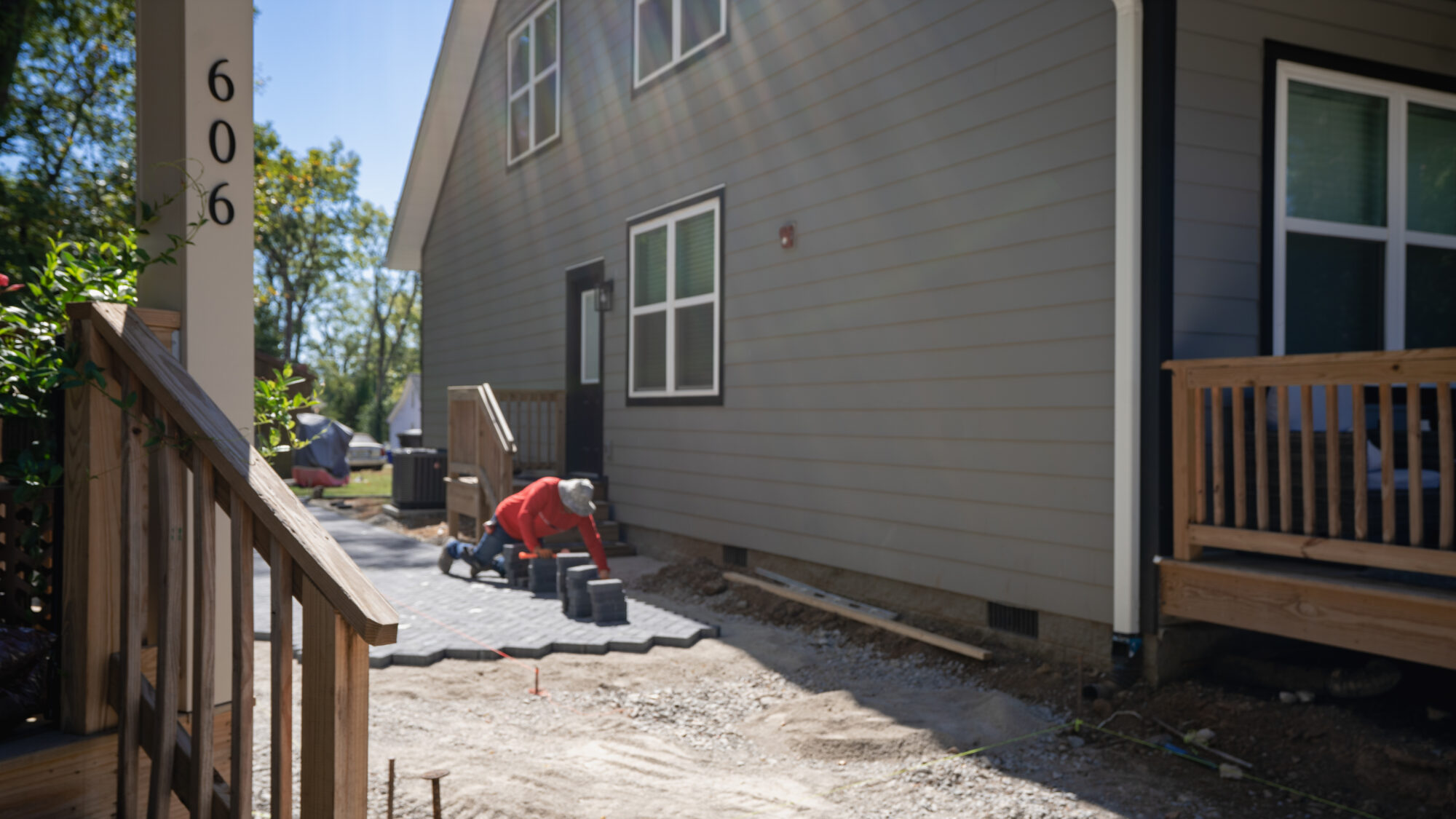
That first part is quieter than ribbon cuttings but just as vital. Its Rehab Program repairs homes for low-income and elderly residents, many of whom live on fixed incomes with no savings set aside for repairs. For a longtime homeowner, a new roof can be the difference between staying and being forced out.
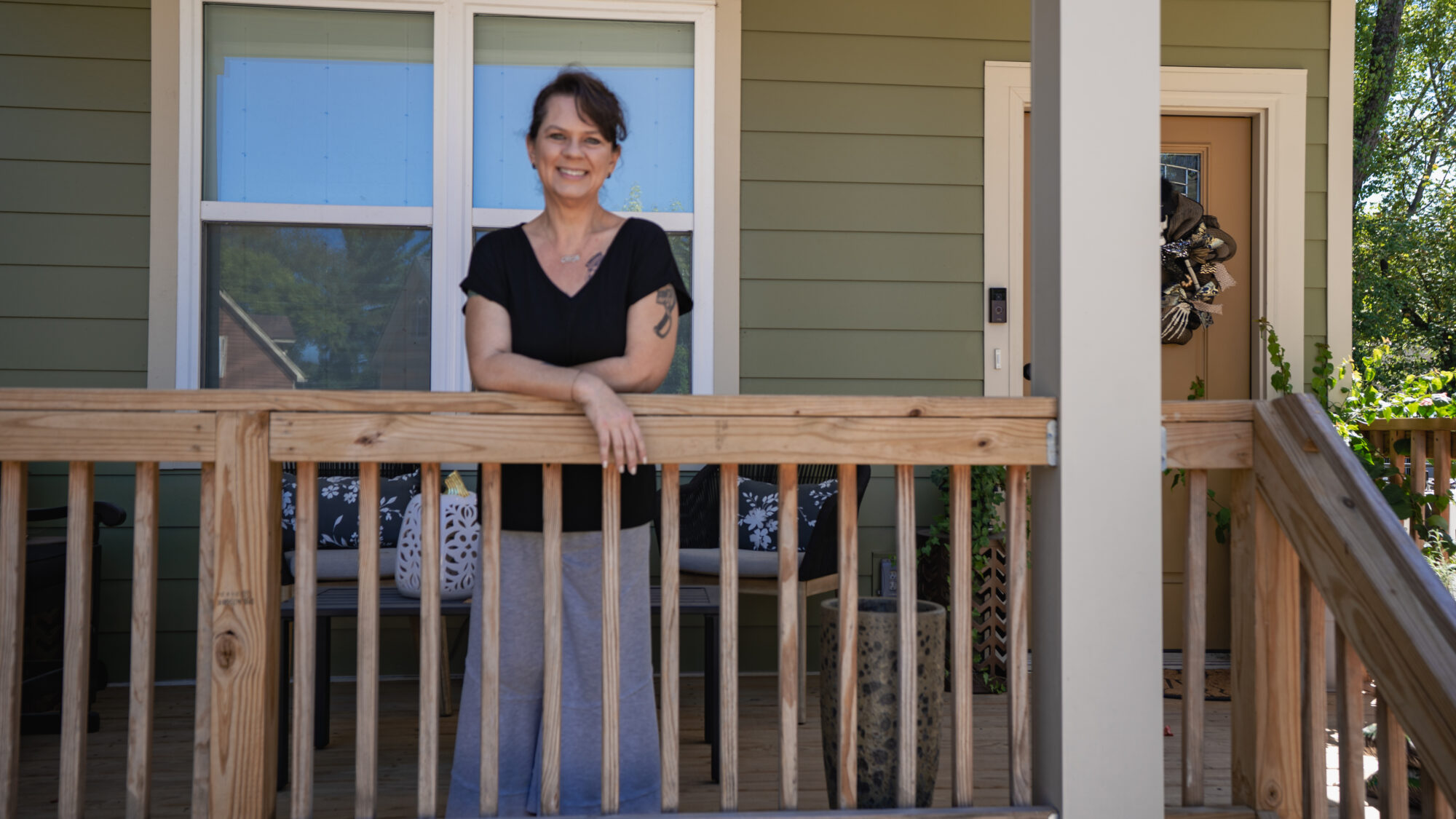
The new builds carry their own weight. In September, the association dedicated its 19th and 20th homes, and one of the new homeowners was born and raised in Hard Bargain. That detail is the whole point: these aren’t just new houses, they’re homecomings. Another homeowner said that without Hard Bargain and the people who lifted her up, she would not be standing where she is today.
The hardest bargain yet
If the neighborhood’s name once described a land deal, today it describes the housing market. Solomon has noted that the average home price in Franklin has reached $1.2 million, and that the organization has struggled since several COVID-era aid programs ended, including one that helped low-income families keep their homes.
The answer, again and again, has been partnership. The association works alongside the Franklin Housing Authority and Habitat for Humanity Williamson-Maury on financial education and affordable housing. It also joined three other organizations on a $13.4 million townhome project in Franklin, supported by a million dollars from Williamson County through the American Rescue Plan.
And the work isn’t finished. One immediate priority is raising $255,000 to buy land for two to three more homes.
Why it matters
Hard Bargain is proof that history isn’t only something we preserve behind glass. It’s something we keep alive by making sure people can still live in it. Every repaired porch and every new set of keys continues a promise Harvey McLemore made when he bought those four lots in 1880: that this community would have a place to call its own.
When asked what message the association wanted to send at one of its annual dinners, Solomon put it in three words: “We’re still here.”
Learn more or support the work at hardbargain.org.

Where has a nonprofit shown up in your life?
Behind every nonprofit are countless stories: the families who found support, the volunteers who showed up, the staff who kept going, and the communities that grew stronger together. How has a nonprofit impacted your life? Wherever you fit in, your story matters. Everyone has a story.
Share your experience and help shape the future of the nonprofit sector.